




Exosome Skincare: The Future of Skin Rejuvenation at Home
Exosome Skincare: The Future of Skin ...
The next generation of skincare is here, powered by exosomes—tiny but powerfu...


How would you like to shop today?
Please choose Professional or Retail below.
Used worldwide, microneedling supports skin rejuvenation, improves texture and tone, and enhances the effectiveness of targeted skincare treatments.

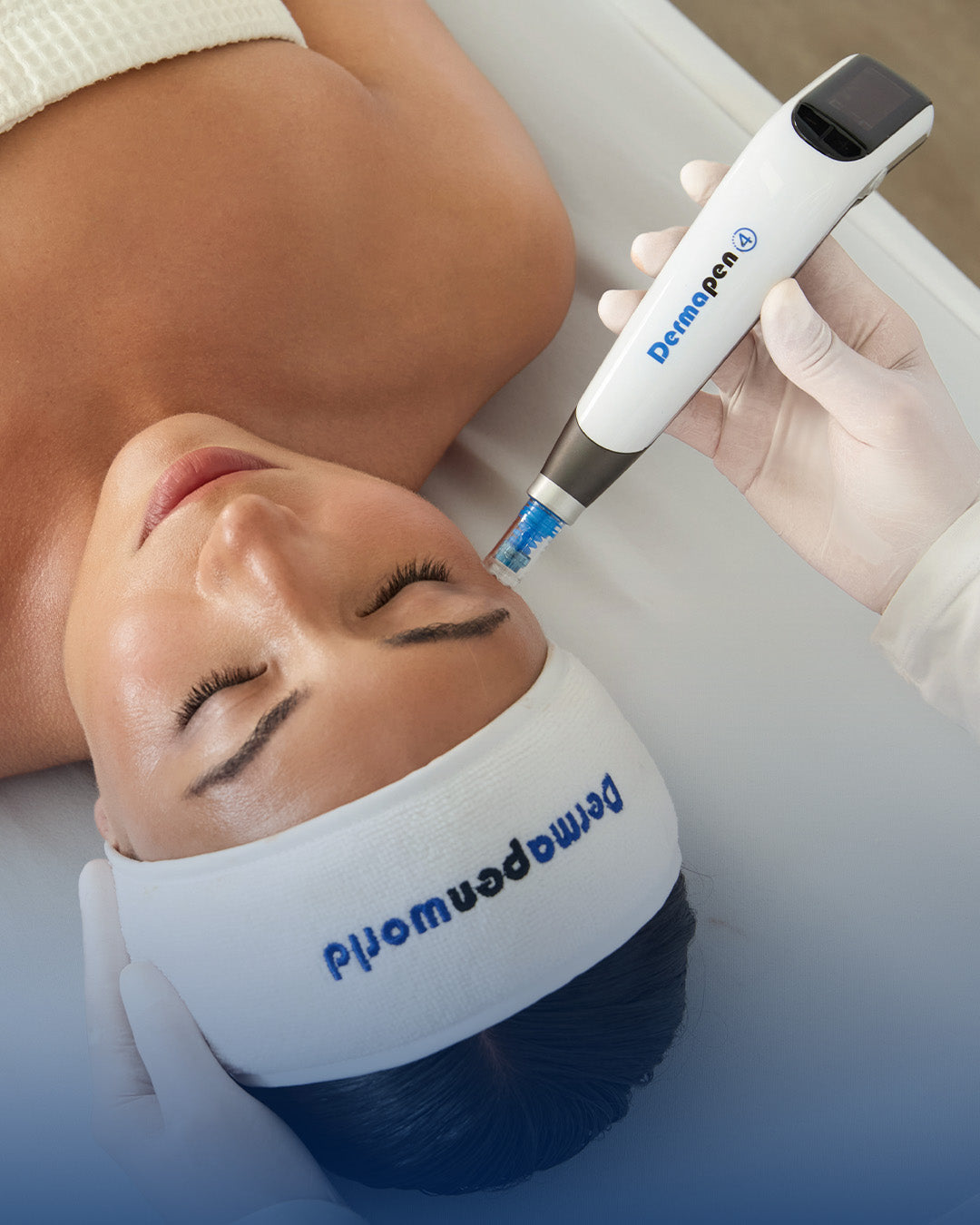
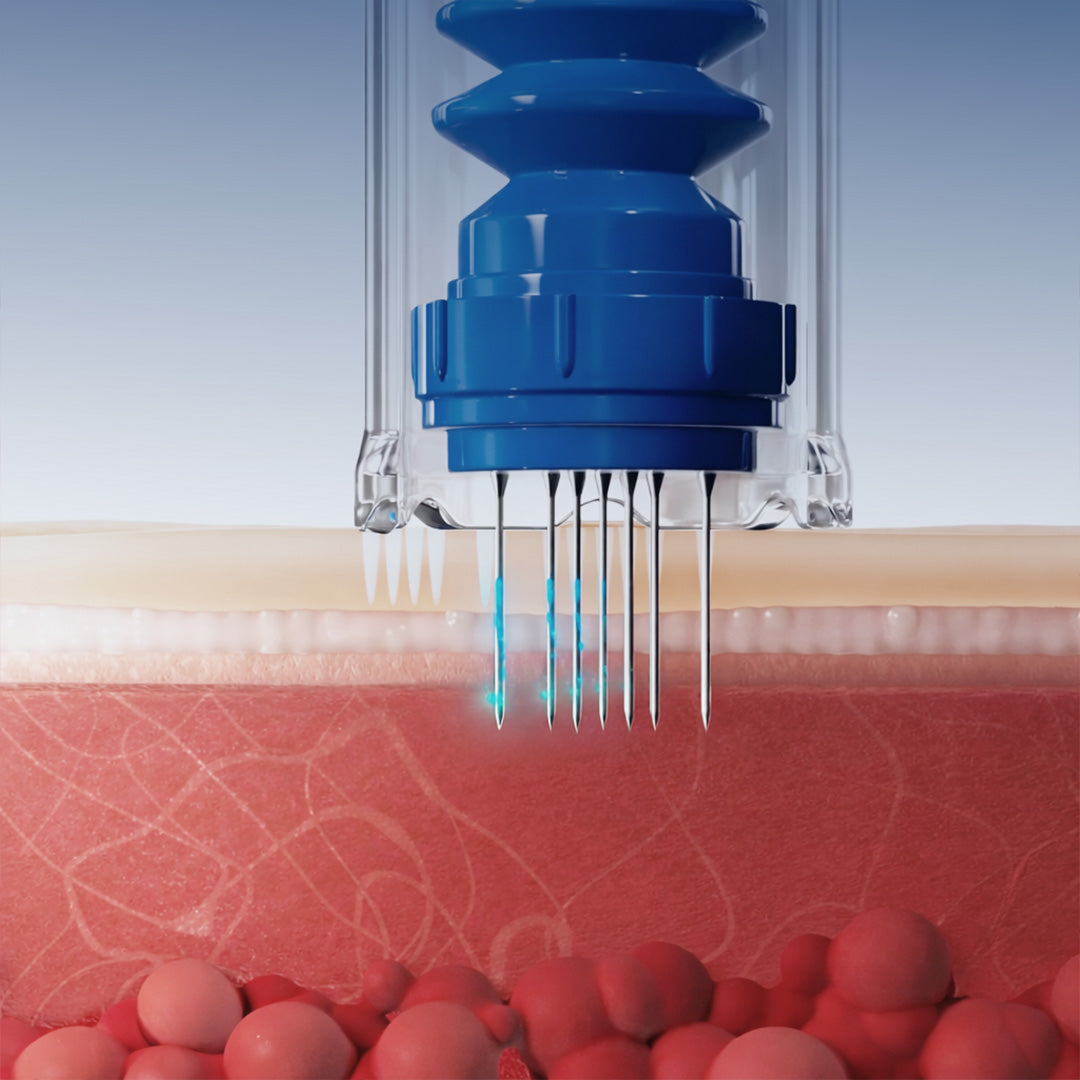
Microneedling, also known as collagen induction therapy, is a minimally invasive treatment that uses a device such as Dermapen 4™ or Dermapen HOME™ to create controlled microchannels in the skin. These micro-injuries activate the skin’s natural repair process, stimulating collagen and elastin production.
This process supports dermal remodeling while maintaining the integrity of the skin’s surface. It also enhances the absorption of active ingredients, contributing to improvements in skin texture, firmness, and overall skin quality over time.
From ancient therapeutic techniques to advanced skin regeneration systems

Acupuncture emerges in Traditional Chinese Medicine, using needles to support healing and balance.
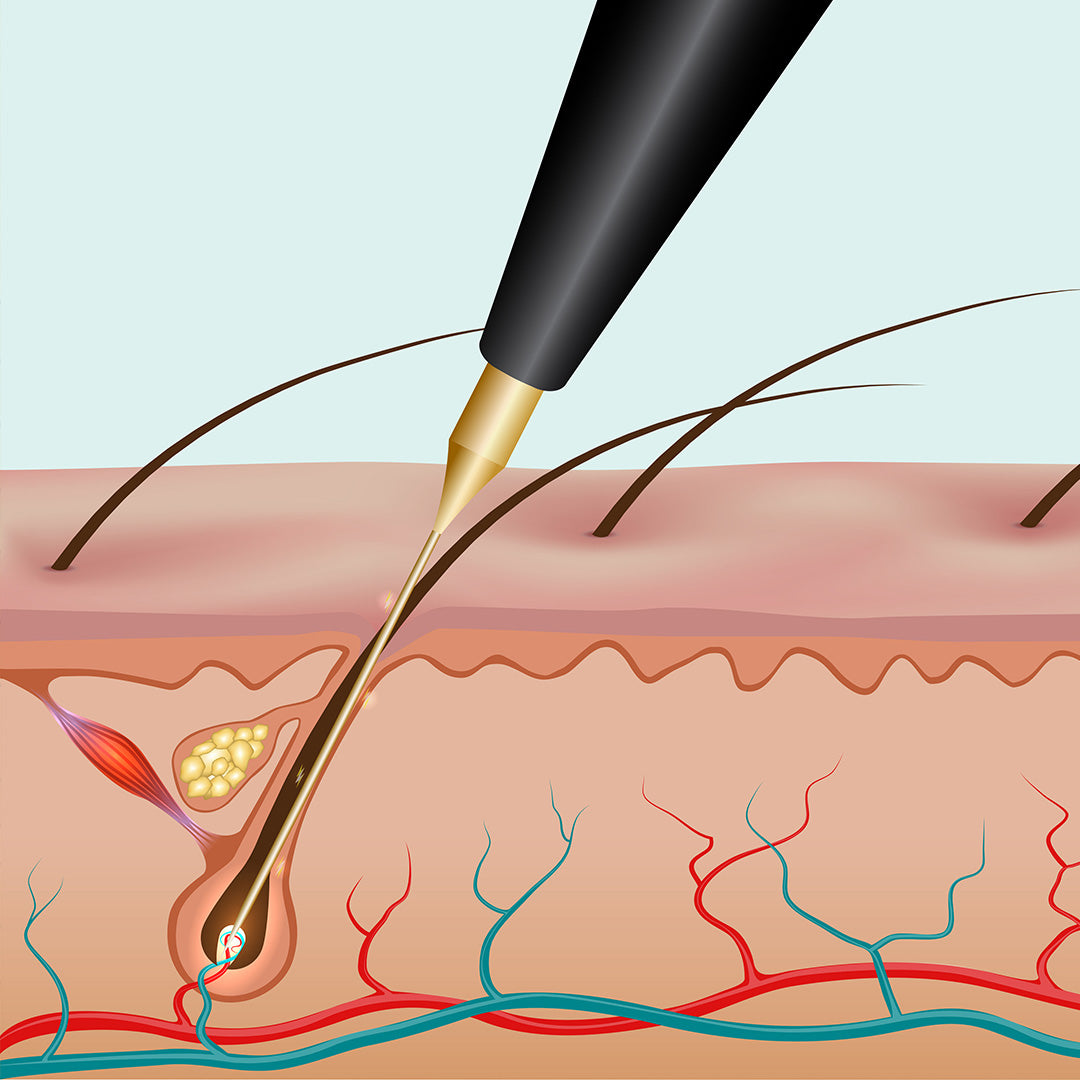
Dr. André Camirand discovers that controlled needling of scar tissue can improve texture, reduce fibrosis, and support repigmentation.
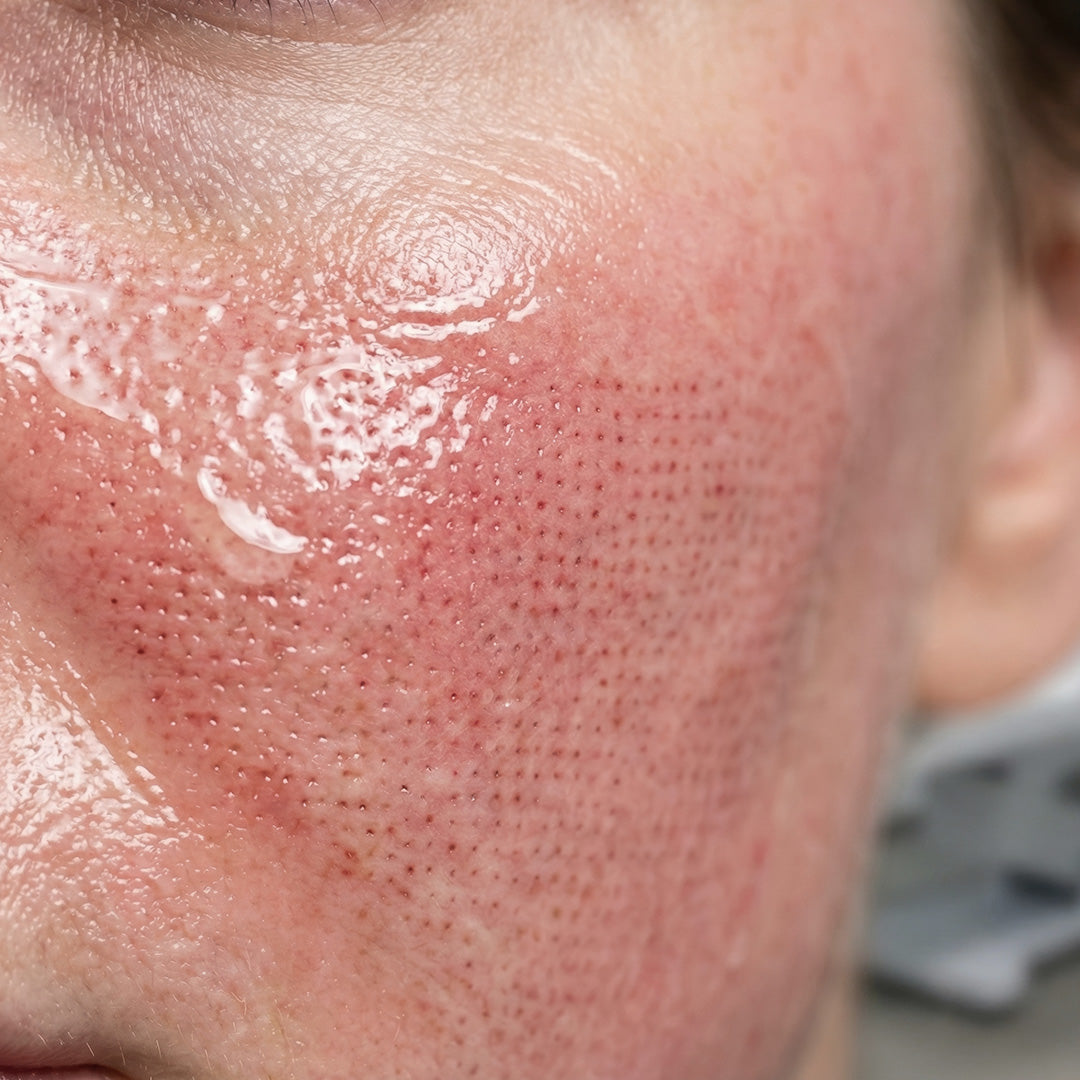
Needles are used beneath the skin to release scar tissue, triggering collagen remodeling and improving depressed scars.
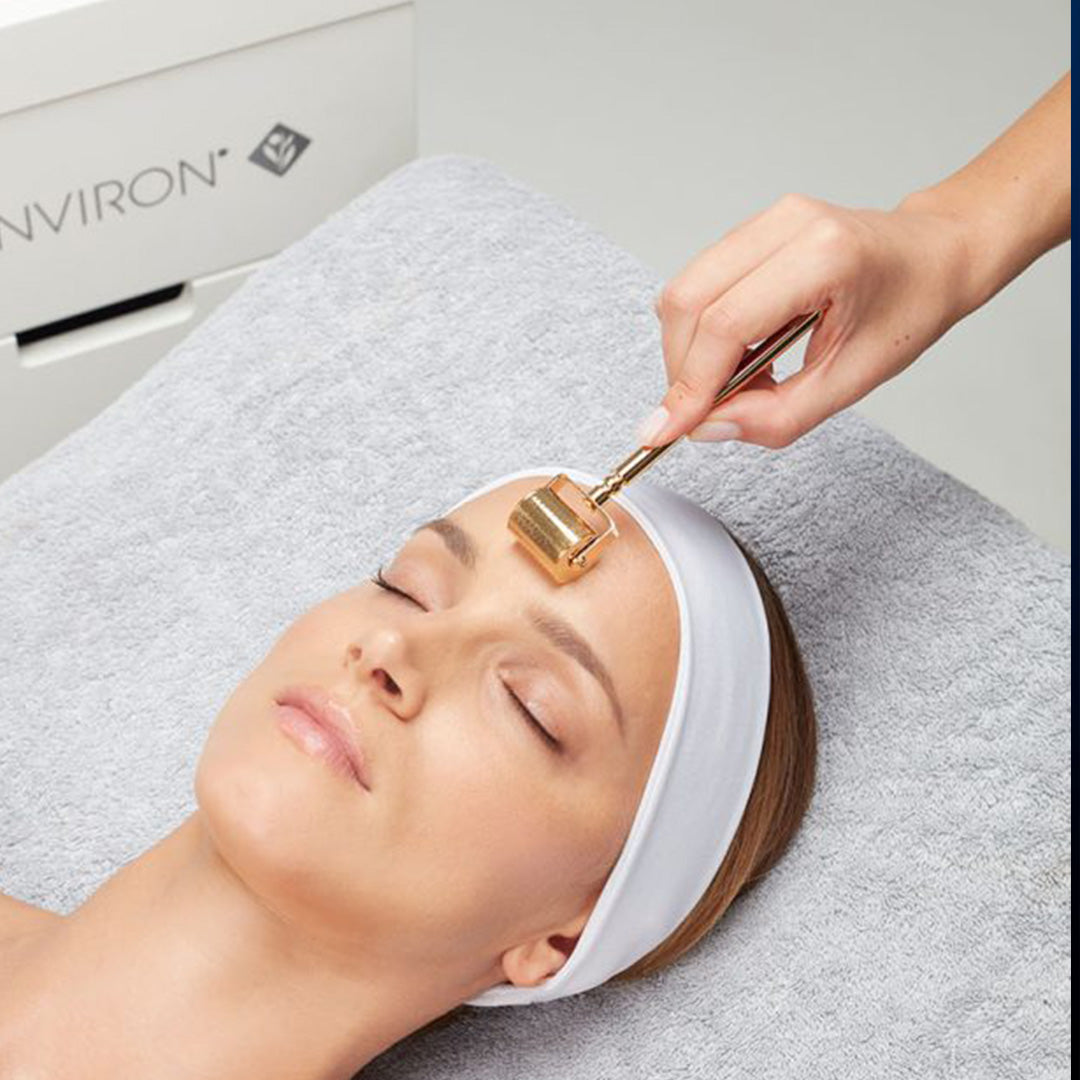
Dr. Desmond Fernandes develops early microneedling tools, introducing multi-needle rollers for more consistent and efficient treatments.
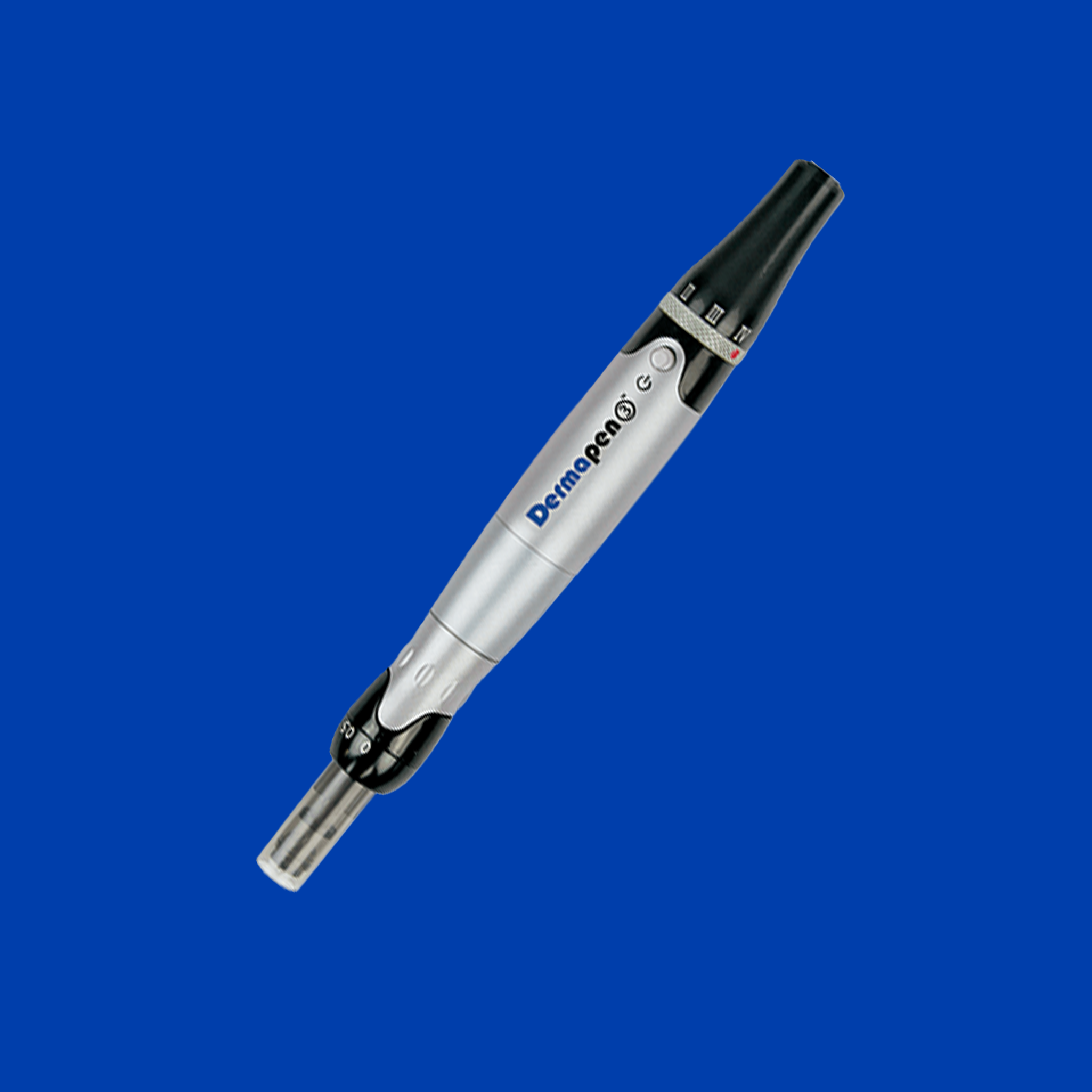
DermapenWorld introduces the first automated microneedling Dremapen
Advanced speed, precision, and digital control set a new standard for microneedling performance.
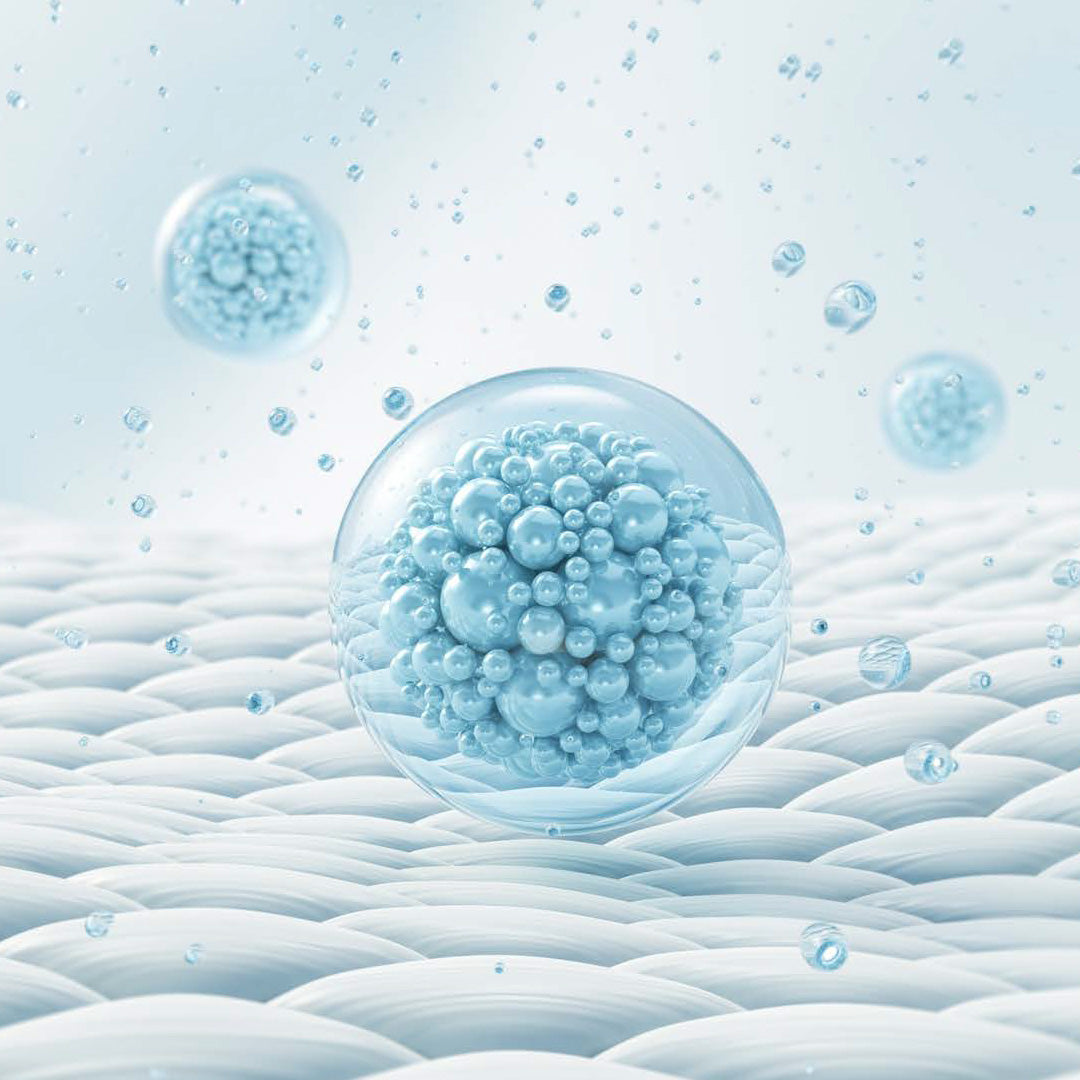
Microneedling is increasingly combined with growth factors, PRP, and early exosome technologies to enhance treatment outcomes.
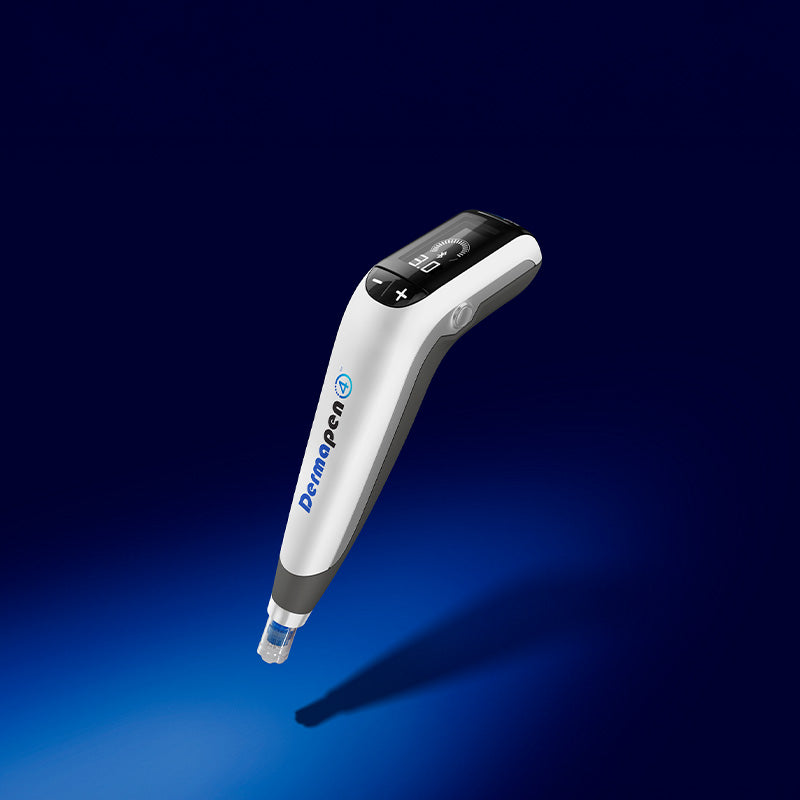
Microneedling evolves into a global standard for skin rejuvenation and hair restoration, often combined with advanced actives like growth factors and exosomes, while advanced devices like DERMAPEN 4 continue to elevate treatment precision, safety, and performance.
Microneedling works by triggering the skin’s natural healing response through controlled micro-injuries.
Progressive skin improvement, backed by science.

Microneedling provides both immediate and long-term improvements by targeting the underlying structure of the skin. Through repeated stimulation of collagen and elastin production, the treatment supports progressive enhancements in firmness, texture, and overall skin quality.
Clinically, microneedling has been shown to increase dermal thickness, improve collagen organization, and enhance skin elasticity. These changes contribute to a reduction in the appearance of fine lines, wrinkles, and scars, while also promoting a more even tone and refined texture.
Trusted by professionals worldwide for its safety, versatility, and consistent clinical outcomes.

Microneedling is widely used across dermatology and aesthetic practices worldwide due to its versatility, safety profile, and clinically supported outcomes.
It is suitable for a wide range of skin types and concerns, making it a foundational treatment in both medical and cosmetic protocols.
Its ability to stimulate collagen production and support dermal remodeling allows for progressive, measurable improvements in skin quality over time.
When integrated with professional protocols and targeted skincare, microneedling enhances treatment performance while supporting consistent, repeatable results in clinical practice.
Microneedling is often integrated into long-term treatment plans due to its ability to deliver cumulative, measurable improvements in skin quality over time.
Microneedling is widely used across multiple indications to support collagen stimulation, dermal remodeling, and progressive improvements in skin quality.


Transform the Way You Approach Skin Health
Microneedling is a minimally invasive treatment that uses controlled microchannels in the skin to stimulate the body’s natural repair process. This process supports collagen and elastin production, improving overall skin quality, texture, and tone.
Microneedling works by creating precise, controlled micro-injuries in the skin. This triggers a natural healing response that promotes collagen synthesis and skin regeneration, while also enhancing the absorption of professional-grade active ingredients used during treatment.
Microneedling supports progressive improvements in overall skin quality by stimulating collagen and elastin production. Over time, this process helps reduce the appearance of fine lines and wrinkles, improve skin texture and tone, minimize the visibility of acne scars and pigmentation, and enhance firmness. Results are cumulative, with continued treatments leading to more noticeable and long-term improvements.
When performed by a trained professional using clinically validated devices and protocols, microneedling is considered safe for a wide range of skin types. Safety is dependent on proper technique, sterile conditions, and appropriate post-care.
Some improvements may be visible within a few days, particularly in skin texture and radiance. However, more significant results—such as collagen remodeling—develop progressively over several weeks and multiple treatments.
Professional microneedling treatments are designed to deliver consistent, controlled results through advanced device technology, precise depth settings, and clinically developed protocols. When performed by trained providers, treatments can be tailored to specific skin concerns and enhanced with professional-grade skincare. This level of precision and integration supports more predictable outcomes and a higher standard of care compared to non-professional approaches.
Your cart is empty